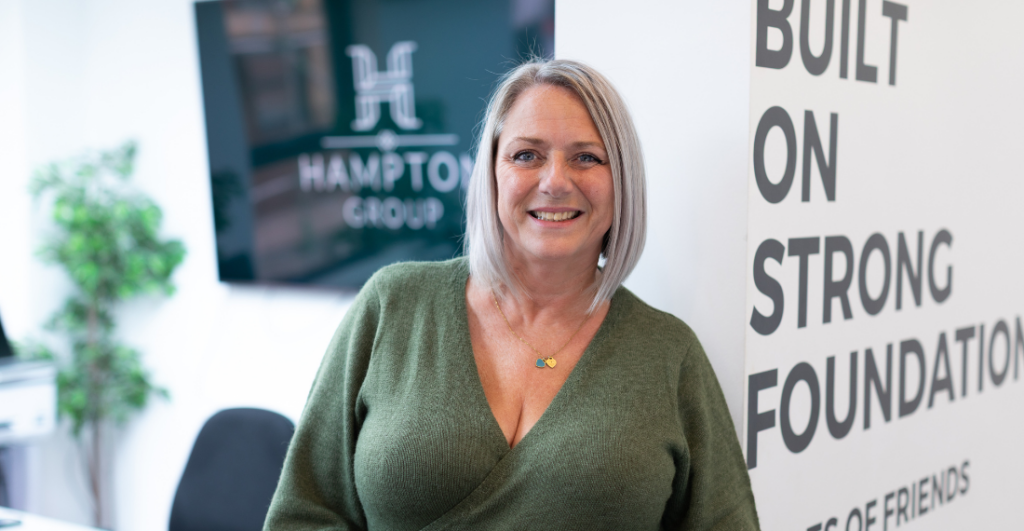
Hampton Group is driven by the dedicated team working both out in the field and behind the scenes. The Project Team are a key part of ensuring everything runs smoothly. We asked our Senior Project manager Tracy some questions to find out what it takes and why the role is so important.
What does your career journey look like, and how did you become a Senior Project Manager?
After leaving school, I began my career in an office role with a small manufacturing company, where I spent 20 years, including the final eight years as Sales Director. I then moved to a much larger business as Global Product Manager for safety products, overseeing product development, launches and marketing across several international businesses. After becoming a mum, I decided to step away from international travel and joined my husband in running our family business, where I spent six years before we unfortunately had to close following the impact of COVID.
Construction has been part of my working life in one way or another for as long as I can remember, and with my passion for interior design, joining Hampton Group felt like the perfect opportunity to bring my experience and interests together.
What is the first thing you do when you start your working day?
My day starts at 7:30 am, and the first thing I do is check in with all our site teams to see how things are progressing. I then update customers if any plans have changed due to weather conditions, deliveries or other site-related issues. From there, it’s all about checking progress against our schedules, making sure materials are ordered and deliveries are booked on time, and keeping everything moving as smoothly as possible.
What is your favourite thing about your role as a Senior Project Manager?
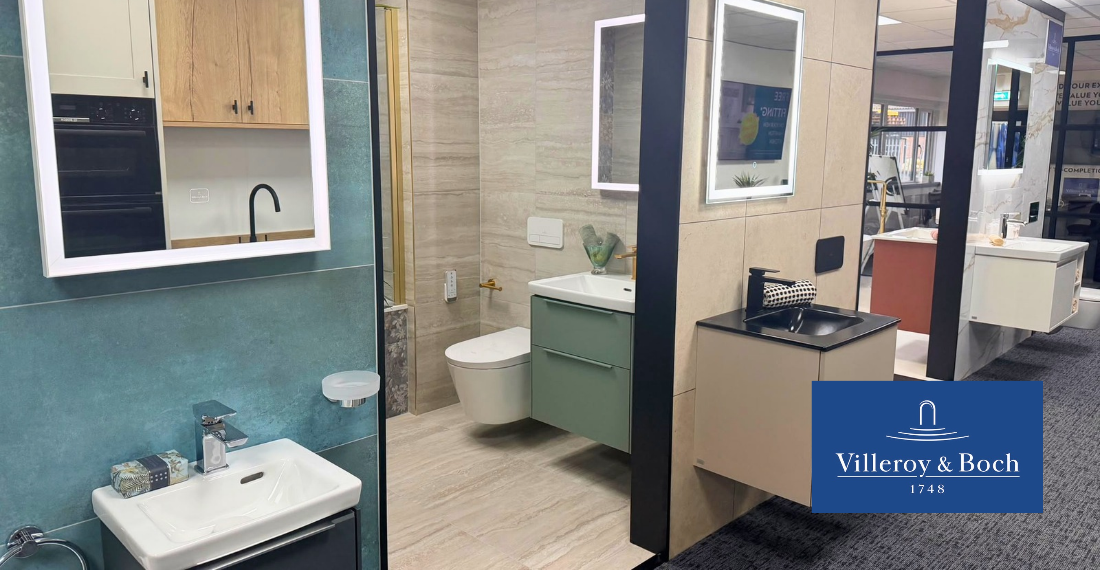
I love that no two days are ever the same! It’s incredibly rewarding to see a project evolve from the initial groundwork into a beautiful, finished home, particularly when you see the transformation of a space through a stunning extension, kitchen or bathroom. Being involved in that journey from start to finish is one of the best parts of my job.

How do you ensure a project runs smoothly?
Planning, communication and having the right people around you are key. No matter how well a renovation is planned, there will always be unexpected challenges along the way. Having a strong team of in-house trades and trusted subcontractors means we can work together to find solutions, adapt when needed and keep the project moving forward with as little disruption as possible.
Is there a project you’ve managed that stands out or that you’re particularly proud of?
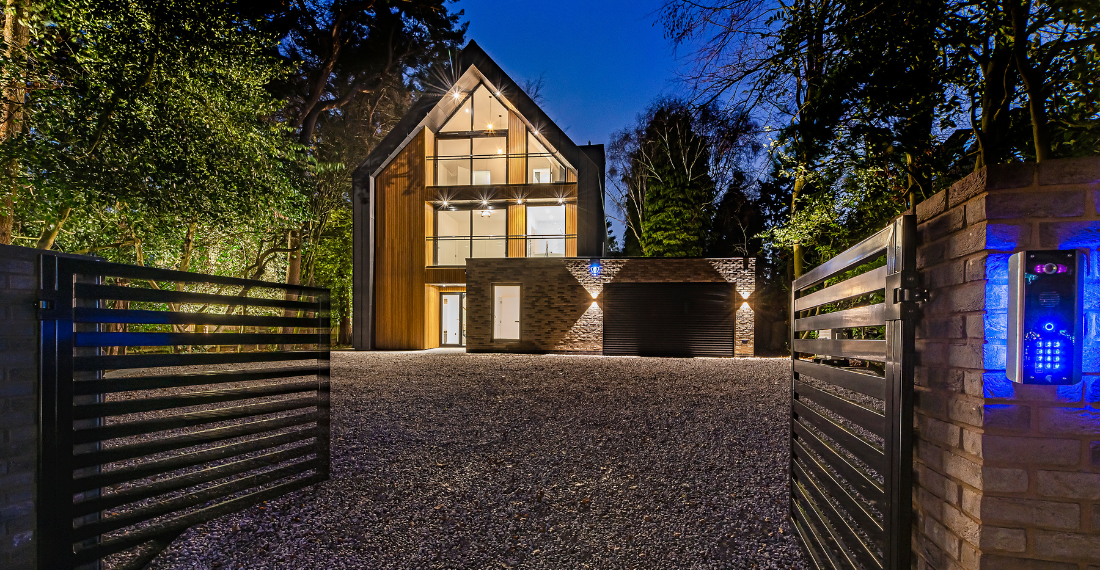
There are two projects that immediately spring to mind. The first is Lovelace House, a new-build project that we started shortly after I joined the team. As it was an in-house project, I was involved from the very beginning and had the opportunity to contribute to the kitchen and bathroom designs, as well as the finishes. It was great to see the whole project come together.
The second is a customer project that we’re just coming to the end of. It’s been a major whole-house renovation, including a double-height extension, a complete reconfiguration of the internal layout, two kitchens and six bathrooms! It’s been a huge project with lots of moving parts, so seeing everything come together has been incredibly rewarding.
How important is it to have a dedicated team working with and around you?
It’s absolutely essential. As a Project Manager, I work with almost every part of the business, from Sales, Costings and Design through to Accounts and our site teams. Having knowledgeable, supportive colleagues who can answer questions quickly and help resolve issues makes a huge difference. No project is delivered by one person alone; it takes a team working together towards the same goal.
What is the most challenging part of your role?
One of the biggest challenges is when the scope of a project changes once work is already underway. As customers start to see their home taking shape, it’s natural for them to rethink certain details or decide to add something extra, and we’re always happy to explore those ideas with them.
However, even a relatively small change can have a knock-on effect on several trades, material orders and schedules. The challenge is managing those changes carefully, keeping everyone informed and making sure the overall project continues to progress as planned.

What is one thing clients often underestimate about the process of renovating their home?
I think people sometimes underestimate how many unknowns can be hidden behind the walls, floors and ceilings, particularly in older properties. Once work begins, you can uncover issues such as outdated electrics, poor insulation or hidden structural problems that need to be addressed before the renovation can continue.
These things aren’t always visible during the planning stage, but they can affect both the budget and the programme. My advice would always be to allow a contingency in your budget for unexpected costs and to remember that dealing with these issues properly is an important part of creating a safe, high-quality home.
What’s one lesson life has taught you that has also helped you in your career?
One of the biggest lessons I’ve learnt is that you can’t control every situation, but you can control how you respond to it. In construction, things don’t always go to plan, and I’ve learnt that staying calm, being adaptable and focusing on finding a solution is far more productive than worrying about what’s gone wrong. That mindset has helped me throughout my career, particularly when managing multiple projects and balancing the expectations of customers, site teams and the wider business.
What skills and qualities do you think are essential for someone who wants to become a successful Project Manager in the construction industry?
I think being calm, organised and adaptable are three of the most important qualities. When you’re managing multiple projects at once, each at a different stage and with its own challenges, you need to have a clear understanding of where everything stands at any given time.
Communication is equally important. You need to be able to bring different people together, manage expectations and make decisions when things change. Problem-solving, attention to detail and the ability to prioritise are also essential. Ultimately, a successful Project Manager needs to keep an eye on the bigger picture while making sure all the smaller details are taken care of.
If you’re ready to start your renovation project, our Hampton Group team are ready to support you every step of the way. Why not enquire today?
Call 01675 442022 | Email [email protected] | Use our contact form.